

Quick Answer: Hosting a trade show requires clear objectives, a realistic budget covering venue, booth design, marketing, staffing, and operations, and structured planning that begins months before the event. Total costs typically range from $10,000 to $120,000+, depending on scale and quality, with venue selection and booth design being the two largest budget drivers. Brands that follow a step-by-step planning process, promote early, and analyze post-event performance consistently achieve stronger lead generation and better long-term ROI than those that focus only on event-day execution.
In these digital days, trade shows remain the most effective way for businesses to expand. Individuals still taste live experiences and actual conferences of the products. That is why a lot of companies are focusing on learning how to host a trade show in a proper and intelligent manner. Research indicates that over 70 percent of B2B marketers receive quality leads at trade shows, and so, trade shows are an important component of any trade show marketing plan.
Not only is it the process of booking a venue to host a successful event. It must have the right trade show planning, effective exhibition management, and event logistics. The smallest details are important, whether it is choosing the appropriate audience or creating an interesting installation. A lot of events do not succeed due to a lack of a well-defined trade show planning checklist. Once you know how to host a trade show, you begin to concentrate on experience, flow, and real value.
Everything will be taught to you in very simple steps in this guide. We will cover it all, from planning and budgeting to designing and executing exhibition booths. Near the conclusion, you will see how to organize a trade show, attract the right people, and achieve a real business outcome.
Table of Contents
What is a Trade Show?
A live business event where companies showcase their products or services to draw customers, partners, and investors is called a trade show. It resembles a vast market in which brands engage in direct personal house interactions with individuals, as opposed to internet-based sales. When studying how to host a trade show, this simple concept is crucial to learn. One of the crucial elements of exhibition management is the trade show, as it aids in establishing trust and actual business associations.
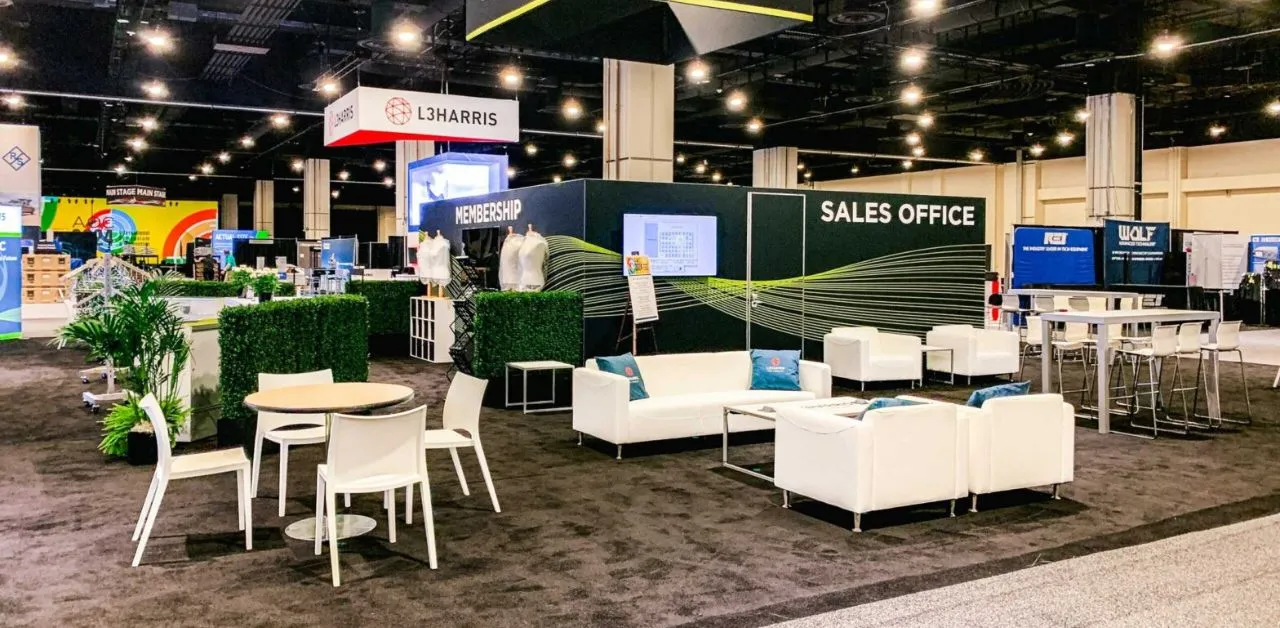
During a trade show, vendors construct booths and employ intelligent exhibition booth design to appeal to people. Individuals make rounds, visit various brands, and compare things. This is why the organization of the trade show and adequate event logistics is required to ensure everything can go smoothly and in order.
Strong marketing results are also achieved through trade shows. They are featured in the trade show marketing mix of businesses to attract leads and expand sales. According to the studies, they can even enhance and grow business opportunities up to 30 to 40 percent, which is why learning how to host a trade show could be highly beneficial to any brand.
Why are Trade Shows Important
The significance of trade shows is that they enable businesses to face the actual people and trust them with strong confidence. This personal connection is significant in a world where there are numerous ads on the internet. This is why firms are concerned with the issue of how to host a trade show as one of their growth and trade show marketing strategies.
They are also effective in obtaining good leads and raising brand awareness. Companies can easily get the right people with proper planning of the trade show, eye-catching exhibition booth design, and eye-catching stands. The experience can also be made smooth and professional because of proper event logistics, which enhances its results.
It is also during trade shows that products can be launched, and immediate feedback will be provided. They aid businesses in comprehending customer needs on a real-time basis. This is why it is crucial to discover how to host a trade show to achieve good results and improved exhibition management as a brand.
Also Explore: Why Do Exhibitors Attend Trade Shows? Must-Know Facts
How Much Does It Cost to Host a Trade Show?
Trade shows can be an expensive undertaking, and the overall cost is determined by size, venue, target audience, and the objectives of such events. When you are training to organize a trade show, the budget is one of the most significant aspects. Any appropriate trade show planning checklist will always begin with cost estimation so as to avoid encountering those unpleasant surprises in the future. Good event logistics and exhibition management can assist you in controlling costs whilst ensuring that you have a high-impact event.
- Venue Cost $5,000 to $50,000+: The highest cost of any trade show is typically the venue. Big halls, exhibition centers, or high-end places are more costly in terms of city and demand. Location impacts visitor attendance as well, so it is a central concern of trade show planning. Accessibility and brand image are enhanced by good venues, which directly influence your success with respect to hosting a trade show.
- Booth Design & Setup $2,000 to $25,000+: To be unique, there needs to be a creative and appealing booth. There are costs such as structure, branding, lighting, and display systems. Well-designed exhibition booths are beneficial in getting more visitors and interacting. A lot of companies invest more in this since it is a direct influence on leads and brand exposure.
- Marketing & Promotion $1,000 to $20,000+: This involves online advertisements, email marketing, social media advertising, and contacting influencers. An effective trade show marketing plan will make sure that everything is in the right place. Even with proper planning, a well-planned event might not receive sufficient traffic without promotion.
- Staffing & Event Logistics $1,500 to $10,000+: You require trained personnel when it comes to registration, customer relations, and coordination. Granted, there is a good experience for visitors due to smooth event logistics. Adequate staffing is also a sign of professionalism and enhances overall management of the exhibition.
- Operations & Miscellaneous $1,000 to $15,000+: These will involve security, permits, electricity, Wi-Fi, catering, and emergency provisions. Such little details are mostly overlooked, yet they hold so much value in hosting a trade show effectively. Proper planning eliminates last-minute problems and unnecessary expenses.
Trade show hosting may cost between 10$ to 120,000$+, depending on the size and quality. The planning of trade shows assists in ensuring that expenditure is kept to a minimum with greater outcomes. A properly planned event will provide good leads, brand development, and business value in the long term, when properly budgeted.
Also Explore: Trade Show Shipping Tips You Can’t Afford to Miss
Types of Services Needed for a Successful Trade Show Host
Hosting a trade show takes more than booking a venue and sending invites. What services are needed for a successful trade show comes down to coordinating a few key areas well. Whether you’re a first-time host or an experienced trade show creator, here are the core services that make an event work.
- Venue and logistics coordination: Securing the right venue and managing floor layout, loading docks, and freight delivery keeps everything on schedule. Solid logistics support helps avoid delays before the show even opens.
- Booth design and construction: Professional booth teams create displays that actually catch attention, from custom builds to modular rentals. Good construction planning also keeps setup and teardown on time.
- Staffing and trade show models: Trained staff or models greet visitors, demo products, and keep booth energy up. Pricing varies by experience and hours needed, but the right staff turns walk-bys into real conversations.
- Audio-visual and technical production: Lighting, sound, and screens need dedicated AV support to run smoothly during presentations or demos. Reliable production keeps the booth looking professional throughout the show.
- On-site management and support: Real-time issue handling and vendor coordination keep the event running once it’s live. Strong exhibition services customer support quality is what separates a smooth show from a stressful one.
A successful trade show brings logistics, design, staffing, AV, and on-site support together as one coordinated effort. Missing any one area usually causes problems elsewhere during the event. That’s why many hosts prefer partners who manage several of these services at once. The right mix keeps things running smoothly from setup to teardown.
How To Choose the Right Venue for Your Trade Show
One of the most crucial steps in the course of learning how to host a trade show is the selection of the venue. The location determines your success, the visitor’s experience, and the company’s image. A proper space facilitates easy planning of a trade show, enhancement of event logistics, and a favorable flow of the audience. Even the best exhibition management will not work out in case the venue is not right.
Key Considerations to Select an appropriate venue.
- Location Accessibility: Your target population must have an easy time reaching the venue. Attendance is boosted by convenience in terms of transport access, such as highways, airports, and transport media, such as roads. Location is key in planning trade shows to obtain more visitors and enhance interaction.
- Space Size & Layout: The venue should be in line with the anticipated number of people and your booth needs. A hall should not be crowded or overly empty, as this may impact visitor experience. Adequacy in space planning aids in designing the exhibition booth as well as the seamless movement in the course of the event.
- Facilities & Infrastructure: Test electricity, Wi-Fi, parking, washrooms, and loading bays. These amenities are necessary to process events with ease and excellence. Even an event that is well planned can experience issues without the provision of a proper infrastructure.
- Budget & Cost Efficiency: Venue cost must meet your total trade show expense. Costly venues do not necessarily translate to superior when it comes to ROI. Planning your trade show smart would make sure that you do not sacrifice quality at the cost of learning how to have a trade show.
- Brand Image & Environment: The space would demonstrate the image and professionalism of your brand. An orderly, tidy, and well-kept room enhances confidence and the visitor experience. Exhibition management is always strong, and in this case, one should also have the ability to choose a venue that will add value to the brand.
A successful event is based on the right venue. It enhances visitor experience, facilitates a seamless operation, and engages. Coupled with effective trade show planning and smart event planning, the venue is an effective contributing force towards success in hosting a trade show.
Also Explore: What Is a Virtual Trade Show? Grow Your Business Fast
Step-by-Step Planning Process to Host a Trade Show Successfully
Conducting a trade show is not a one-day affair but a progressive process that requires one to clearly think, time, and plan a trade show. It is when you know how to run a trade show that you learn that each step is important, starting with the initial thought of doing it, through to the actual performance. The good plan can be used to prevent confusion, save on costs and enhance the overall experience of managing the exhibition.
Main Step-by-Step Planning Process:
- Express Goals and Objectives: Decide why you are holding the trade show first before proceeding with anything else. It might be due to the generation of lead, brand awareness, or product introduction. Clear objectives can assist in defining your complete trade show planning checklist and facilitating decision-making.
- Establish Budget and Costs Early: Prepare your entire budget (venue, booth, marketing, and staffing). Learning how to host a trade show effectively involves proper control of the costs involved. This also helps in effective financial planning towards a fluent event logistics.
- Select Venue and Date: Select a venue with ease of access and size of audience. Timing is another important factor as it impacts attendance. The proper choice of venue enhances the chances of designing an exhibition booth and exposure to visitors.
- Arrange Marketing and Promotional Campaigns: Digital advertisements, social media, and email campaigns should be used to motivate visitors. An effective marketing plan in trade shows will make sure that the correct audience acquires the knowledge of your event beforehand. The best event will fail without promotion.
- Design Layout and Control In-situ Implementation: Concentrate on booth arrangement, visitor movement, and operations. Good event logistics and coordination make it run smoothly on the event day. In this regard, professional exhibition management comes in big.
When all these steps are adequately taken, then the outcome will be an orderly and successful event. Knowledge of how to organize a trade show in an orderly manner assists companies in reaching the correct audience, enhancing their participation in the show, and ensuring excellent outcomes.
Also Explore: Trade Show Logistics Planning That Guarantees Success
Common Mistakes to Avoid When Hosting a Trade Show
When learning how to arrange a trade show, most businesses only pay close attention to the setup and are unaware of the minute details that determine success or failure. Proper planning of the trade show, the event logistics, and a clever approach to the exhibition contribute to a successful event. Even a minor error can decrease the interactivity of visitors and the generation of leads.
Primary mistakes you should avoid:
- Lack of Planning and no goals: Numerous organizers begin without an appropriate trade show planning checklist. The absence of such clear objectives as lead generation or branding makes the event directionless. The best place to start planning how to host a trade show is through proper planning.
- Poor Marketing and Low Publicity: Unless people are aware of what is going on, they will never come to your event. The poor trade show marketing strategy results in poor results and low traffic. Advertisements also ought to commence early on via digital advertisements, email messages, and social media.
- Poor Booth Design and Design: A bad-looking or disconcerting layout can send customers away. Powerful exhibition booth design is significant to draw attention and gain engagement. Poorly designed booth minimizes brand impact and loses opportunities.
- Disregarding Event Logistics and Operations: The visitor experience is damaged by issues such as lengthy queues, poor signage, or confusion among the staff. A seamless flow of events makes it professional. Effective exhibition management makes the event a stress-free one.
- Failing to Follow Up on Post-event outcome: Most of the businesses do not measure performance post-trade show. You cannot enhance future events without keeping track of leads and ROI. One of the main aspects of knowing how to host a trade show is through post-event analysis.
These mistakes could ruin the outcome of your events, but by avoiding them, you could turn things around. When trade shows are planned well, executed, and intelligently marketed, you can create a wonderful experience. It is due to good preparation that there is enhanced engagement, enhanced branding, and business growth in the long term with the help of how to host a trade show strategy.
Also Explore: Effective Ways to Follow Up After an Outdoor Trade Show
Why Audie Expo Is the Smart Choice for Hosting a Trade Show
Learning about hosting a trade show, the greatest difficulty is the coordination of planning, design, and execution. Audie Expo simplifies the process and undertakes all the exhibition management, event logistics, and easy coordination. All this is done by a single professional team, hence no need to deal with several vendors.
Our other focus is on good event design, creative management, and onsite production services that make your trade show stand out. By ensuring ease of movement for visitors through well-designed exhibition booths and interesting experiences, we design attractive and easy-to-visit facilities that leave visitors more impressed and drive better outcomes. This plays a significant role in the effective planning of trade shows.
Audie Expo offers complete support in terms of planning, operations, and coordination throughout the process. We assist in the execution through our event logistics and coordination, and exhibit hall operations services, rendering them stress-free. This is why brands believe in us to provide an effective trade show that generates real business growth.
Conclusion: How to Host a Trade Show
Ultimately, to host a trade show, I have to learn how to develop an entire experience, rather than working an event. All of the steps, such as trade show planning, budgeting, and venue choice, event logistics, and exhibition management, are significant factors of success. The outcomes of the planning will be poor; therefore, a clear strategy will be required.
The benefits of trade shows include the opportunity for a business to meet human beings, create trust, and generate good leads. A proper trade show promotion plan and visually appealing exhibition booth design would significantly enhance contact and visibility of the brand. The right way to go is to avoid mistakes commonly made, which will also make the event smooth and professional.
All in all, a trade show, when well organized, is an effective growth tool for any business. It is time to comprehend perfectly how to host a trade show in such a way that will be able to guarantee real outcomes, good relations, and success in the long term.
Connect with our event specialists today! No matter the scale, trade shows, exhibitions, or corporate gatherings, Audie Expo is ready to make your event a success. Start now by visiting our Contact Us page.
FAQs
Q. How far in advance should planning begin when hosting a trade show?
Planning should start months before the event, covering venue booking, marketing campaigns, booth design, and logistics coordination well ahead of the show date. Late planning compresses timelines for all these elements simultaneously, increasing costs and reducing the quality of execution across every phase.
Q. What’s the highest hidden cost that first-time trade show hosts underestimate?
Operations and miscellaneous expenses like security, permits, electricity, Wi-Fi, and catering are frequently excluded from initial budgets but can add $1,000–$15,000 to total costs. These are often discovered only after venue contracts are signed, when there’s little flexibility left to adjust spending.
Q. How does venue selection affect trade show ROI beyond just capacity and cost?
A venue’s location, accessibility, infrastructure quality, and brand environment all influence visitor attendance levels and the professionalism of the overall experience. Even well-planned events with strong booth designs underperform when the venue is difficult to reach or lacks basic facilities like reliable Wi-Fi and sufficient parking.
Q. Why is post-event analysis considered part of how to host a trade show rather than an optional follow-up?
Tracking leads, measuring ROI, and reviewing what worked and what didn’t transform each event into a learning cycle that improves the next one. Brands that skip post-event analysis repeat the same inefficiencies across multiple shows rather than compounding improvements over time.