

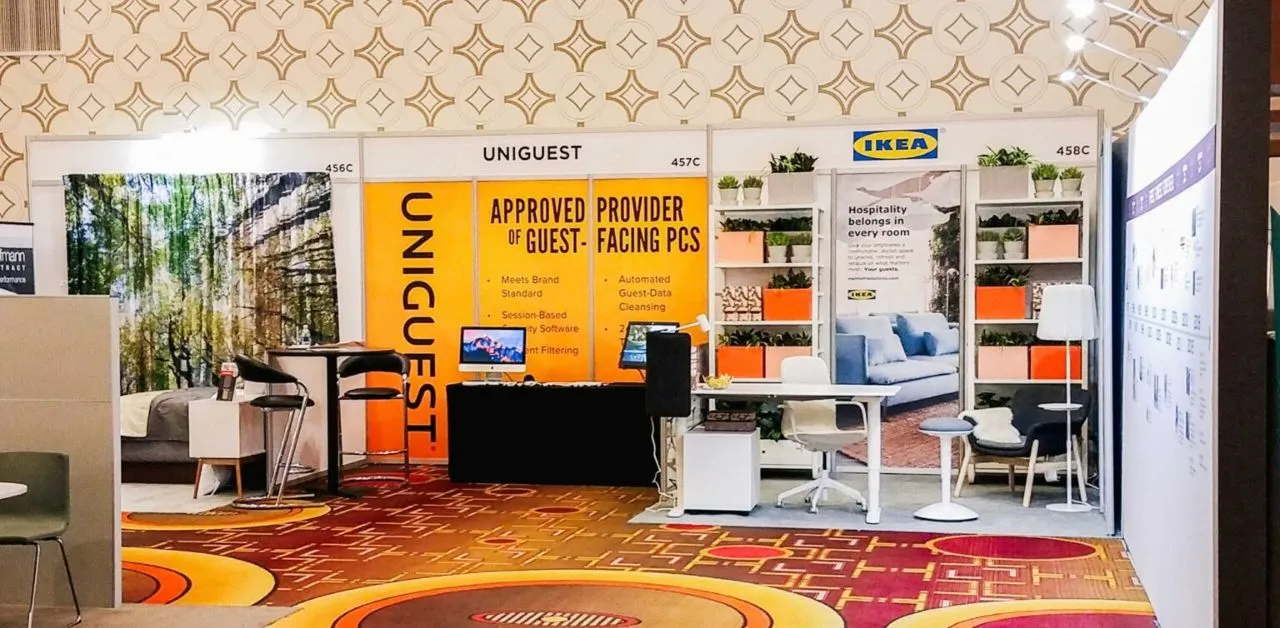
Quick Answer: Effective trade show booth design combines open layouts, bold high-impact graphics, smart lighting, and interactive elements to capture attention within seconds. The best booth design ideas focus on clear visitor flow, simple messaging, and a central focal point that drives engagement. Avoiding clutter and poor lighting is key to standing out on a crowded show floor. Professional execution from companies like Audie Expo turns these design principles into measurable ROI.
As you enter a trade show, what immediately stands out is something of significance. Some booths are easily noticed in a few seconds, whereas others go totally unnoticed. The distinction normally boils down to smart trade show booth design tips and secrets that assist brands to shine in a busy exhibition hall. In today’s fast-paced events, visitors decide within a few seconds whether to stop or keep walking, making booth design more important than ever.
There are no decoration tips, only on good trade show booth design. They consist of smart booth layout ideas, good exhibition booth design ideas, and clear visual messaging, which speaks fast. Proper lighting, branding, and flow of your booth guarantee enhancing attendees’ attraction and retention. That is why having a professional booth design is very important in the success of the exhibition.
In this guide, you will get to know the easy and practical tips for designing trade show booths, which can enhance your visibility and performance. Layout planning up to engagement ideas is all explained in a simple manner. You may also witness the way professional assistance, such as Audie Expo, can assist brands in developing superior event booth designs and greater impact at the exhibition.
Table of Contents
What Are Trade Show Booth Design Tips?
Trade show booth design tips are easy tips that will be employed to design booths that will attract visitors, enhance interactions, and lead to the creation of opportunities to schedule leads during the exhibitions. These tricks will involve creative exhibit booth design ideas, meaningful graphics, and effective communication to ensure that when someone encounters your brand, it takes them a few seconds to comprehend what it is. Its primary aim is to ensure that your booth stands out in the midst of a trade show full of rivals.
The majority of trade show booth design best practices are aimed at enhancing traffic patterns and available trade show booth design ideas, such as open plan, proper lighting, and attractive graphics. Having a proper booth design strategy will make your booth look friendly, and residents will find it easier to talk to you about your brand without misunderstanding.
Today, these tips also include interactive elements and modern trade show marketing tips to boost engagement. Brands like Audie Expo help businesses apply these methods through professional planning and efficient event booth setup, ensuring better visibility and stronger results at exhibitions.
Why Booth Design Matters More Than Ever in Trade Shows
In contemporary exhibitions, the design of a booth is very important in attracting visitors since the competition has greatly increased over time. Good booth design for trade show and imaginative expo booth designs enable brands to shine right away in a crowded hall where everyone is promoting themselves.
The modern tourists can choose a path within a few seconds, hence the idea of the smart booth design with prominent images, straightforward messages, and appropriate ideas of a booth construction is highly significant to them. Unless your booth is fast, people will just pass by and go to the other booth.
Trade shows are now focused on experience, not just display. This is why brands follow up-to-date trade show marketing guidelines and interactive arrangements to enhance engagement. Such professional assistance as Audie Expo can also facilitate the enhancement of the setup of event booths to enable businesses to produce a greater impact and enhanced results.
Also Explore: Understanding Costs and Benefits of Outdoor Trade Shows
How to Choose the Right Booth Layout for Maximum Flow
Choosing the design of booth layout is one of the most important parts of applying effective trade show booth design tips because it directly controls how visitors move, stop, and interact inside your space. It goes beyond mere appearance; a good layout must lead people within the building, keep them there, and increase their prospects of becoming leads. That is why smart booth layout ideas and visitor-friendly trade show exhibition booth design have become a top priority of brands, rather than their decorative arrangements.
- Open design to access easily: Without creating the feeling of being stopped or confined, an open entrance welcomes visitors. When human beings are able to view the inside clearly, then they feel more comfortable entering. It is among the key tips in trade show booth designs to maximize foot traffic and visibility.
- Easy pedestrian walk to facilitate visitors: A map can be used to walk the visitor through your booth. It helps to avoid the crowding and makes people notice all the important points of your display. The design of the flow required in contemporary booth layout concepts is so critical, as it allows more time to interact.
- To be more focused on the products: Breaking down your booth into small compartments in which you offer a single product or service will enable the visitors to know what you are offering without difficulty. This will enhance clarity and facilitate more effective exhibition booth design concepts that facilitate engagement.
- Avoid clutter for better visual comfort: Excessive details may disorient the visitors and decrease their interest. A clean, simple appearance enhances focus and helps to make your message stronger. This is one of the secrets of good booth design employed by successful exhibitions.
- Central location of major attractions: Huge visuals or areas of demonstrations or computer screens should be put in those places where visitors would instinctively stand. This promotes more interaction and enhances more trade show marketing strategies to generate leads.
Once these layout concepts are used in a proper manner, your booth will be easier to navigate and more interactive for visitors. It also reinforces your entire event booth installation, assists brands in developing a smoother experience, and improves performance in busy exhibition locations.
Also Explore: Renting vs Buying Portable Displays for Trade Shows
How Smart Trade Show Booth Design Tips Lead to Better ROI
Following trade show booth design best practices helps brands not just attract visitors, but convert them into real business results. When your booth is planned with the right strategy, every element works together to increase engagement, improve lead quality, and boost overall ROI from the event.
- Define Your Goals: Before designing anything, you must be clear about what you want. brand awareness, leads, or sales. Clear goals help shape your entire booth design strategy and make your efforts more focused and measurable.
- Know Your Target Audience Before Designing: Understanding your audience helps you create the best booth design ideas that connect with their needs. When your design matches visitor expectations, engagement naturally increases.
- Choose the Right Booth Size and Type: The size and type of booth you select should support your objectives and expected traffic. Smart booth layout ideas ensure better space usage and smoother visitor flow.
- Use High-Impact Graphics: Strong visuals grab attention quickly and communicate your message in seconds. This is one of the most effective trade show booth design tips for improving visibility and brand recall.
- Keep Your Messaging Simple and Clear: Visitors should understand your offer within a few seconds. Clear messaging improves engagement and supports better conversion during the event.
- Add Interactive Elements: Interactive features like demos or screens increase visitor interest and time spent at your booth. This directly improves lead generation and supports modern trade show marketing tips.
When these strategies are applied together, they create a booth that not only looks good but also performs well and delivers stronger business results.
Also Explore: How to Choose a Custom Trade Show Display That Wins Leads
Types of Trade Show Booths and Which One Fits Your Business
Not every business needs the same kind of trade show booth, and choosing the wrong type can waste both budget and floor space. From small 10×10 booth setups to large custom builds, each type serves a different purpose depending on your goals, budget, and expected foot traffic. Here’s a breakdown of the main types and who they’re best suited for.
- Inline (10×10 or 10×20) booths: These are the most common and budget-friendly option, typically set against a backdrop with neighboring booths on either side. A 10×10 booth design works well for smaller businesses or first-time exhibitors who want visibility without a large investment. It’s a practical starting point for testing a show before scaling up.
- Corner booths: Positioned at the end of a row, corner booths receive exposure from two open sides rather than just one. This layout naturally pulls in more foot traffic than a standard inline space, making it a smart upgrade for businesses that have outgrown a basic setup but aren’t ready for a full island booth.
- Peninsula booths: Open on three sides and often larger than standard inline spaces, peninsula booths offer strong visibility from multiple aisles at once. They work well for mid-sized companies that want a bigger presence without committing to the cost of a full island setup.
- Island booths (20 x 20 and larger): Surrounded by aisles on all four sides, island booths are built for maximum visibility and often include custom structures, elevated platforms, or multiple demo stations. Professional 20×20 trade show booth design services are common here, since these larger spaces usually require more detailed planning and custom builds.
- Pop-up and portable booths: Lightweight and easy to transport, pop-up booths are ideal for businesses attending multiple shows throughout the year. While questions often come up about whether pop-up booths hold up after repeated setups, well-made ones can last for years with proper care, making them a cost-effective option for frequent exhibitors.
Choosing the right booth type comes down to your budget, how often you exhibit, and how much visibility you actually need at a given show. A growing business might start with an inline or corner booth and move up to a peninsula or island setup as trade show ROI justifies the bigger investment. Portable and pop-up options remain a smart choice for companies attending several shows a year without the budget for custom builds each time. Matching the booth type to your actual goals, rather than just picking the biggest option available, is what makes the investment worthwhile.
How Much Does Trade Show Booth Design Actually Cost?
Booth design cost varies widely depending on size, materials, and how custom your setup is, so there’s no single flat number that applies to every exhibitor. Costs can range from a few thousand dollars to well over fifty thousand, depending on what you actually need.
- Simple inline booths: A basic 10×10 setup typically costs $1,500 to $5,000, while a 10×20 runs $3,500 to $10,000, covering standard graphics and minimal extras. These work well for first-time exhibitors or businesses testing a new show before investing further.
- Large custom island builds: A 20×20 or larger custom island booth with lighting, interactive screens, and multi-level structures can run $15,000 to $50,000 or more. These setups are usually chosen by brands with a bigger footprint and higher expectations for visual impact.
- Rough starting range: Small, simple setups typically run in the low thousands ($1,500–$5,000), while premium custom designs can reach well into five figures ($15,000–$50,000+). Where you land depends entirely on size, materials, and how much customization you want.
- Key cost drivers: Booth size, graphic complexity, use of technology like screens or interactive displays, and whether you’re renting or buying all directly affect the final price. Even small changes in any of these can shift your total by several thousand dollars.
- Full breakdown available separately: Rather than repeat exact pricing here, we’ve covered size-based costs, hidden fees, and package comparisons in detail in our [complete trade show booth rental cost guide], which is worth reading before finalizing your budget.
The main takeaway is that smart booth design isn’t about spending the most, but about matching your investment to your goals and expected foot traffic. A well-designed mid-range booth often outperforms an overspent, poorly planned one. If you want the full cost breakdown by size and package type, that dedicated guide walks through every number in detail.
How to Make Your Booth Stand Out on a Crowded Show Floor
Knowing the design of booth strategy for a trade show is one thing; getting people to actually stop at it when they’re surrounded by hundreds of competing exhibitors is another challenge entirely. A show floor is a noisy, visually overwhelming environment, and the booths that cut through that chaos aren’t the biggest ones. They’re the ones built around deliberate design decisions that work from 30 feet away.
- Height and vertical presence, are your most powerful tools for standing out before anyone reaches your booth? On a crowded show floor, attendees scan at eye level across a sea of identical setups, which means anything that breaks the horizontal plane immediately draws the eye. Tall banner systems, overhead hanging structures, and illuminated towers create vertical landmarks that make your booth identifiable from across the hall.
- Strategic lighting transforms an ordinary booth into a high-attention environment that nearby competitors simply can’t match. One of the most consistently overlooked answers to what makes a trade show booth effective on a crowded show floor is light directional, intentional lighting that highlights products, illuminates graphics, and creates visual warmth that draws people in. Backlit displays, LED accents, and spotlights on hero products signal that a brand has invested in its presence, which subconsciously communicates credibility to passing attendees.
- Open, uncluttered layouts consistently outperform booths that try to show everything at once. When exhibitors ask how to design a high-traffic exhibit booth, the instinct is to fill every inch with products and messaging, but effective trade show booth design works the opposite way. Open floor plans with clear sightlines, defined entry points, and one or two focal moments attract far more traffic than dense setups that feel overwhelming from the aisle. Visitors should be able to see through your booth, understand what you do in three seconds, and feel that entering won’t trap them in an awkward sales conversation, all before they take a single step inside.
- Benefit-led graphics at the right scale are what convert a glance into a stop: The trade show display design tips that matter most at show-floor scale are about hierarchy and distance: your primary headline needs to be readable at 20 to 30 feet, your brand should register at 50 feet, and detail copy should only exist for people already inside the booth. Exhibitors designing a trade show display for impact often make the mistake of writing for a brochure rather than for the aisle, dense text and feature-heavy language that no one will stop walking to read.
- Interactivity and live demonstration are the most reliable methods for turning passive browsers into engaged visitors. The consistent differentiator between booths with long visitor queues and ones with empty chairs is activity, something happening that gives passersby a reason to stop and watch. Product demos, touchscreen configurators, live builds, or brand-tied games all create the social proof of a crowd, which itself attracts more of a crowd.
Every trade show booth tip points to the same truth: standing out is less about budget and more about intention. When you design backwards from that single moment of interruption in the aisle, how to make your trade show booth stand out stops being an abstract goal and becomes a concrete, briefable, measurable set of decisions you can apply at every show you attend.
Common Trade Show Booth Design Mistakes to Avoid
Despite proper planning, numerous brands fail at exhibitions due to a lack of knowledge on the simple guidelines of designing a trade show booth that directly relates to visibility and interaction. An attractive-looking booth that is confusing or does not communicate effectively with visitors will be futile. This is why it is just as important to know some of the common pitfalls when making a booth design strategy and find out how to make an exhibition booth design idea right as much as it is to learn what to do right.
- Cluttered with excessive information on the booth: All exhibitors attempt to display everything at once, making it confusing rather than interesting. Excess text, graphics, or products can overwhelm the visitors. Basic and clear booth layout concepts will always be better and enhance clarity in a few seconds.
- Poor brand messaging/poor brand communication: And as long as visitors do not get your message within 3 to 5 seconds, they will leave. Good headlines and clear images are some of the trade show booth design tips that enhance remembrance and interest. And a good booth will not convert without this.
- Darkness that decreases visibility: Even the finest of booths appear dull and unattractive due to bad lighting. Effective lighting will put emphasis on major areas as well as enhance general attention to visitors. The concept of modern exhibition booth design has, from the beginning, focused on lighting as a key component of success.
- Disregarding visitor flow and space planning: Visitors will be unable to move freely in case of a cluttered or blocked layout. This lessens the time of interaction and decreases engagement. The smart booth design strategy will make sure that there are no difficulties in moving around the booth and improving the experience within the booth.
- No stringent engagement or interaction plan: Most of the booths just show products but do not provide visitors with any reason to remain. Engagement quickly falls off without demos, conversations, or other interactive aspects. The best tips in trade show marketing are always aimed at providing an opportunity to interact in order to get more leads.
These are just some of the pitfalls that should be avoided so that brands can achieve better and more effective exhibition experiences. Staff members such as Audie Expo usually perfect the process of setting up event booths as well as designing the execution to guarantee that the businesses receive improved visibility, interaction, and outcomes in every trade show.
Also Explore: Trade Show Exhibit Maintenance Made Easy & Effective
How Audie Expo Helps Brands Succeed with Professional Trade Show Booth Design
Good tips on trade show booth design only succeed when done correctly, and that is where Audie Expo, a trusted exhibition booth design company, helps brands stand out and achieve better exhibition results. As an experienced exhibition booth design company, Audie Expo focuses on creating effective booth design strategies, innovative exhibition booth design concepts, and efficient event booth setups that attract visitors and increase engagement.
Audie Expo will do all the creative planning and execution in a way that each booth is clearly branded, intelligently styled, and well-trafficked. Both the visual strength and the performance-based, easily manageable booths of the brands are offered with the assistance of professional support, such as Event Design & Creative Management and Onsite Production, tailored to the live performances.
They further do massive coordination and implementation with Exhibit Hall Operations and Logistics, Event Logistics and Coordination, making the setup and implementation hustle-free. This mash-up of design and logistics assists brands to become more visible, draw more visitors, and realize enhanced ROI of all trade shows.
Conclusion
Even in the current competitive events, trade show booth design tips are all you need to turn around your brand on the show floor using the appropriate design tips. Smart booth design and effective messaging, down to the lighting, interaction, and traffic of visitors, will make each minor detail count towards the increased attention and quality leads. An effectively designed booth is not merely about the design but rather provides an experience to the visitors, making them readily and effortlessly identify with your brand.
When used rightfully, these trade show booth design tips enhance visibility, help to enhance interaction, and directly help to increase ROI of each event. Then, it should help to avoid the most typical errors and concentrate on strategic planning so that your booth can be noticed rather than lost in the crowd. When properly done, your exhibition area will be a strong marketing tool rather than a display booth.
In cases where the brands prefer to be professionally implemented, the services of professional experts such as Audie Expo will definitely pay off in terms of translating ideas into successful exhibition setups that perform even better in that regard.
Connect with our event specialists today! No matter the scale, trade shows, exhibitions, or corporate gatherings, Audie Expo is ready to make your event a success. Start now by visiting our Contact Us page.
FAQs
Q1. What makes an open booth layout more effective than a closed one?
An open entrance lets visitors see inside clearly without feeling boxed in, which makes them more comfortable approaching. This design choice consistently increases foot traffic and visibility compared to enclosed, wall-heavy layouts.
Q2. How far away should my booth graphics be readable from?
our primary headline should be readable from 20–30 feet, while your brand name should register from as far as 50 feet. Detailed copy should only be visible to visitors already standing inside the booth.
Q3. Does booth size matter more than design quality for attracting visitors?
Not necessarily, the booths that stand out aren’t always the biggest ones. Deliberate decisions like vertical presence, lighting, and clear sightlines can make a smaller booth outperform a larger but poorly designed one.
Q4. What’s the biggest visual mistake exhibitors make with booth lighting?
Many exhibitors underestimate how poor lighting makes even well-designed booths look dull and uninviting. Directional, intentional lighting on products and graphics signals investment and credibility to attendees walking by.
Q5. How quickly should a visitor understand what my booth offers?
Visitors should grasp your core message within three to five seconds of looking at your booth. If your headline and visuals don’t communicate this instantly, most people will simply walk past without stopping.